Какво е алуминиева заготовка?
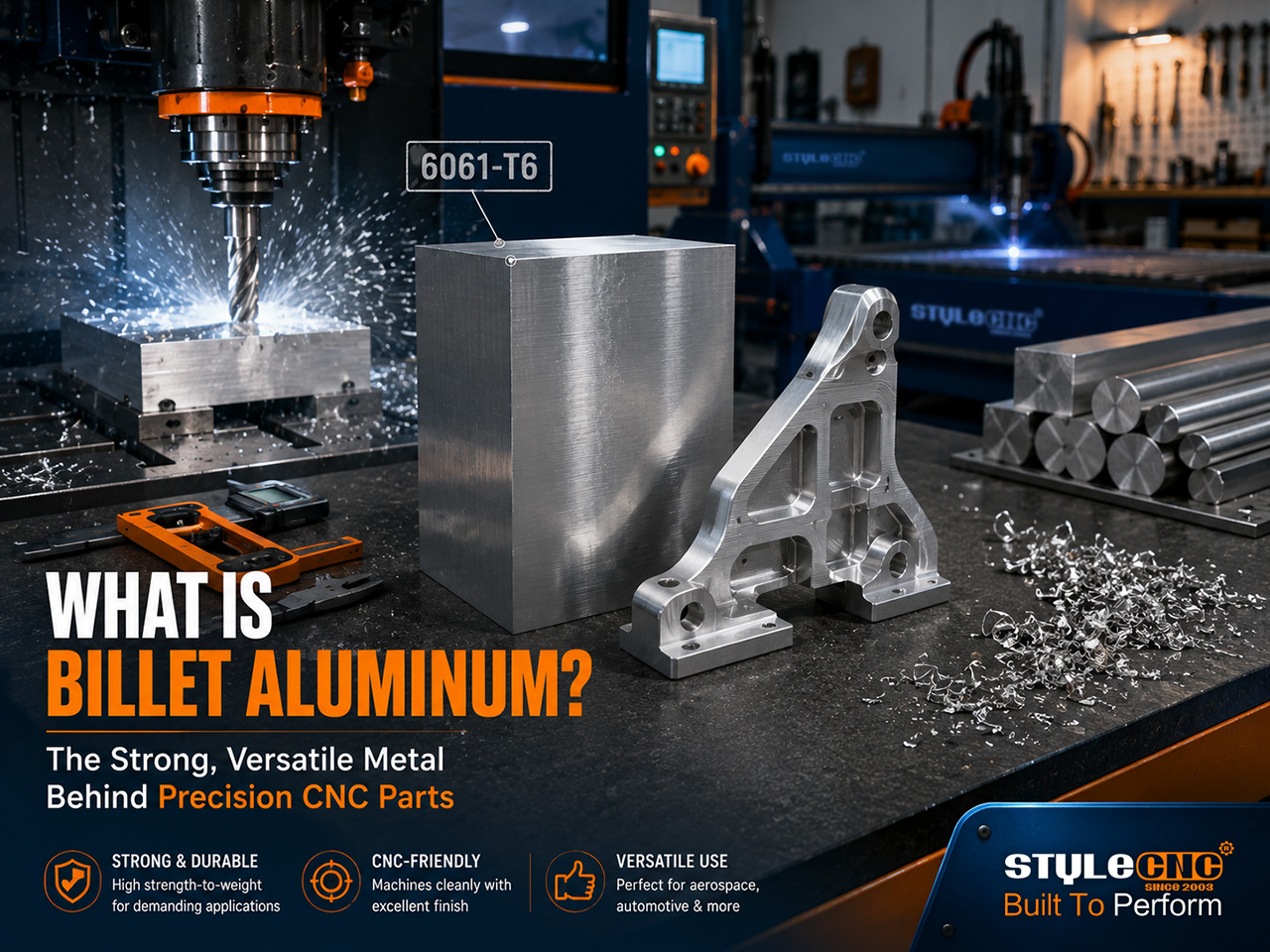
Алуминиевата заготовка е плътен блок или прът от деформиран алуминий, екструдиран или валцуван от лят слитък и след това нарязан на дължина. Частите, описани като заготовка, се изработват машинно от този плътен материал, вместо да се изливат в калъп (отливат) или да се изковават (коват). Процесът на изработка на заготовка осигурява постоянна зърнеста структура и предвидимо поведение при обработка.
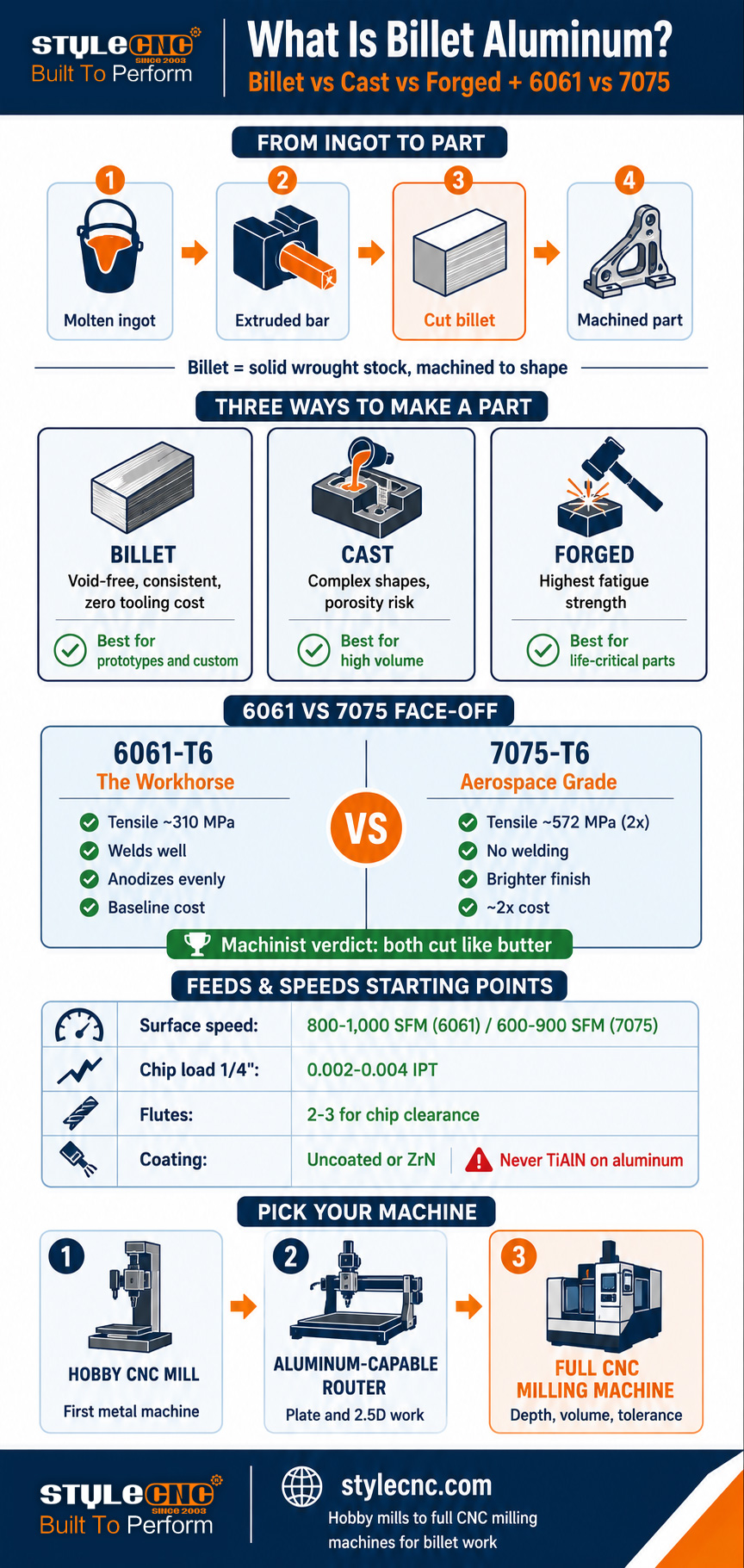
Строго погледнато, заготовката описва вид суровина, а не магически материал. Алуминият започва като разтопен метал, излят в големи отливки. След това тези заготовки се екструдират или горещо валцуват в пръти, кръгове и плочи, процес, който компресира метала, усъвършенства зърнестата му структура и елиминира повечето от вътрешните кухини, които леенето оставя след себе си. Нарежете тази кована заготовка на блокове с размер на детайла и имате заготовки.
Когато производителят каже, че дадена част е заготовка, той има предвид, че е била обработена от този плътен деформиран материал. Целият материал, който не е частта, се отрязва като стружки. Това е субтрактивно производство в най-чистата му форма и затова заготовките от заготовки носят както репутация за качество, така и по-висока цена: процесът разхищава материал, но произвежда части с равномерна, плътна и без кухини вътрешна структура.
Ореолът за качество около заготовките е до голяма степен заслужен, но често е надценен. Правилно проектираната отливка може да превъзхожда лошо проектирана заготовка. Това, което заготовките надеждно осигуряват, е постоянство: без изненади по отношение на порьозността, без скрити кухини, предвидима якост във всяка посока, която позволява екструдирането, и размерна стабилност по време на машинна обработка.
Заготовка срещу лят срещу кован алуминий: Истинските разлики
3 производствени пътя превръщат суровия алуминий в готови части и всеки от тях оставя отличителен отпечатък върху метала. Таблицата по-долу ги сравнява по фактори, които са важни за производителността на частите и машинната обработка.
| фактор | Заготовка (обработена) | Дай | Подправен |
|---|---|---|---|
| Как се прави | Изработено от плътна кована пръчка или плоча | Разтопен метал, излят в калъп | Нагрята заготовка, изкована или пресована във форма |
| Вътрешна структура | Еднородна, плътна, без кухини | Възможни са порьозност и кухини от свиване | Най-плътни; потоците на зърната следват формата на детайла |
| сила | Висока и последователна | Най-ниската от трите; варира в зависимост от качеството на отливката | Най-висока, особено якост на умора |
| Свобода на дизайна | Ограничено от достъп до инструменти | Най-високи; възможни са сложни вътрешни форми | Ограничени; прости, здрави форми |
| Разходи за инструментална екипировка | Няма (само фиксиране) | Висока (цена на матрицата) амортизирана спрямо обема | Най-висока (цена на матрицата) за големи обеми |
| Най-добър обем | от 1 до стотици | Стотици до милиони | Хиляди до милиони |
| Типични части | Прототипи, персонализирани скоби, части за производителност | Блокове на двигатели, корпуси, колела (ляти) | Носачи на окачване, фитинги за самолети, колянови валове |
| Процес на повърхностна обработка | Машинно обработено покритие, Ra 1.6 или по-добро | Грубо отлято; обработено машинно, където е необходимо | Кована кожа; обработена машинно при интерфейсите |
Практическото правило за вземане на решения: леенето печели при големи обеми, където цената на матрицата се амортизира и сложната геометрия е от значение. Коването печели, когато якостта на умора е критична за живота. Заготовките печелят за прототипи, поръчкова работа с малък обем и всяка част, където любител или работилница се нуждае от пълна здравина днес, без инвестиции в инструменти. Последният случай е точно мястото, където се намират CNC фрезите и рутерите, подходящи за алуминий.
6061 срещу 7075: Двете оценки, които имат значение
Влезте във всеки доставчик на метал и ще видите, че 2 ковани сплави доминират сред стелажите за заготовки: 6061 и 7075. Според данни на Алуминиевата асоциация, сериите 6000 и 7000 са водещи в използването на CNC машинна обработка и за повечето цехове изборът се стеснява до тези две.
| Имот | 6061-T6 (работният кон) | 7075-T6 (аерокосмически клас) |
|---|---|---|
| Издръжливост на опън | ~310 MPa (45 ksi) | ~572 MPa (83 ksi), приблизително двойно |
| Твърдост (Бринел) | ~ 95 | ~ 150 |
| Устойчивост на корозия | Отлично; анодизира равномерно | Светло; обикновено анодизирано или покрито за защита |
| Заваряемост | Добър със стандартните процеси | Лошо; заваряването не се препоръчва |
| с машина | Много добри; леко желирани чипсове | Много добър; по-твърд, стружките се чупят по-чисто |
| Повърхностно покритие | Добър; постоянен цвят на анодиране | По-ярко машинно обработено покритие; цветът на анодирането варира |
| Относителна цена | Baseline | Приблизително 2 пъти на паунд (реални котировки: ~38 $срещу ~101 $за еквивалентен бар) |
| Най - доброто за | Скоби, приспособления, корпуси, общи части | Структурни части с високо напрежение, аерокосмически, състезателни |
Това, което липсва в спецификациите, е колко сходни са усещанията между двата материала при работа с машината. Практични машинисти, които режат и двата материала ежедневно, съобщават, че използват идентични програми и инструменти, като 7075 оставя забележимо по-ярък завършек и чупи стружките по-лесно, докато износването на карбидните ръбове е малко по-бързо. Един член обобщи консенсуса на общността: и двата режат като масло. Потребителите на форума „Хобисти-машинисти“ го повтарят: същите подавания и скорости като 6061, не се страхувайте от 7075.
Истинските фактори за вземане на решения са цената и приложението, а не обработваемостта. Платете двойно за 7075, когато детайлът наистина се нуждае от здравина: носещи скоби, компоненти за окачване, приспособления за високо напрежение. Използвайте 6061 за всичко останало и като бонус ще получите по-добра консистенция на анодиране и заваряемост.
Какво означава Т6? Темпераменти на разбираем език
Буквите след номера на сплавта описват състоянието, състоянието на термична обработка, което определя крайната якост. За купувачите на заготовки, 3 обозначения покриват почти всичко на стелажа.
✓ T6Термично обработен с разтвор и изкуствено състарен. Стандартният максимален твърдост както за 6061, така и за 7075. Ако в обявата е посочено само 6061 или 7075 без твърдост, приемете T6, но проверете преди да купите за конструктивни работи.
✓ T651T6 плюс контролирано разтягане, което облекчава вътрешното напрежение. От значение за листовата заготовка: Листът T651 остава по-плосък по време на обработка, защото остатъчните напрежения, които причиняват деформация, са отстранени. Струва си малката премия за части с големи джобни площи.
✓ O (отгрят)Меко, напълно отгрято състояние. Лесно се огъва, ужасно се поддава на машинна обработка (изключително лепкаво) и слабо. Избягвайте за машинно обработени части, освен ако не планирате първо да ги формовате и след това да ги термично обработвате.
Точката за облекчаване на напрежението заслужава внимание от всеки, който обработва дебели листове. Изрязването на дълбоки джобове в неосвободен от напрежение материал освобождава заключените напрежения и детайлът може видимо да се огъне, когато материалът се отдели. Плоча T651 съществува специално, за да предотврати това. За тънки части и малки скоби стандартната плочка T6 е достатъчна.
Обработка на алуминиеви заготовки: Основи на подаванията и скоростите
Алуминият е най-щадящият метал за машинна обработка, ето защо е правилният първи метал за любители, които преминават от дърво и пластмаси. Числата по-долу са консенсусни начални точки, извлечени от текущите таблици за рязане в индустрията и практиката на форуми за машинни специалисти. Третирайте ги като диапазони за първи проход, след което настройвайте, като слушате рязането.
| Параметър | 6061-T6 Начална точка | 7075-T6 Начална точка |
|---|---|---|
| Повърхностна скорост (карбид) | 800 до 1,000 SFM груба обработка | 600 до 900 SFM (10 до 20% по-ниско) |
| Зареждане с чип, 1/4 инчова фреза | 0.002 до 0.004 IPT | 0.002 до 0.004 IPT (подобно) |
| Зареждане с чип, 1/2 инчова фреза | 0.003 до 0.006 IPT | 0.003 до 0.006 IPT (подобно) |
| Брой флейти | 2 или 3 режещи ребра за отстраняване на стружки | 2 или 3 режещи ребра; стружките се чупят по-лесно |
| Покритие на инструмента | Без покритие или ZrN (никога TiAlN) | Без покритие или ZrN (никога TiAlN) |
| Охлаждаща течност / смазка | Мъгла или наводнение; предотвратява натрупване на ръбове | Същото; управлението на топлината е малко по-важно |
3 правила носят повече w8 от всяка таблица. Първо, натоварването на стружката е от решаващо значение: твърде леката стружка и инструментът се трие, вместо да реже, натрупвайки топлина и заварявайки алуминий към режещия ръб (натрупване на ръб, убиец номер едно за алуминиевото покритие). Второ, отстранете стружките от рязането: повторното рязане на стружки разрушава покритието и чупи инструменти, поради което 2- и 3-режещите фрези с големи канали доминират при работата с алуминий. Трето, никога не използвайте инструменти с TiAlN покритие върху алуминий: покритието съдържа алуминий и химически се свързва с детайла.
Работен пример за хоби машини
Практична платформа: хоби фреза или рутер за алуминий с шпиндел 4,200 об/мин и 1/2 Инчова 3-ребрена карбидна фреза от 6061. Член на Hobby-Machinist, използващ точно тази настройка, отчита 30 до 40 инча в минута при натоварване на зъб от около 0.005 инча с налични 3 HP. Това е характерът на обработката на алуминий на скромни машини: умерени обороти, честни натоварвания на зъб и твърдо захващане, преследващи скорости на повърхността, характерни за големите цехове.
Фрезите с високи обороти обръщат математиката. Шпиндел на фреза с 10 000 до 24 000 оборота в минута не може да забави достатъчно за големи фрези, така че работата с алуминиеви фрези е предпочитана за малки еднорежещи и двурежещи фрези (1/8 да се 1/4 инчови) работят бързо с агресивно подаване, за да поддържат натоварването от стружки. Еднорежещите алуминиеви свредла съществуват именно за това: един голям канал отстранява стружки при скорости на рутер, където многорежещите инструменти се запушват.
Каква машина ви е необходима за алуминиеви заготовки?
Алуминиевите заготовки са достъпни за много повече машини, отколкото начинаещите предполагат. Изискването е твърдост и управление на стружките, а не сурова мощност. 3 класа машини покриват спектъра от любители до работилници.
Настолни и хоби CNC фрезиСпециално създадени за метал, с твърди железни рамки и шпиндели с ниски обороти и висок въртящ момент, подходящи за по-големи фрези. хоби CNC фреза за метал намлява настолна малка CNC фрезова машина класът обработва скоби, корпуси и малки заготовки от неръждаема стомана 6061 и 7075. Това е първата машина за обработка на метали в естествения свят.
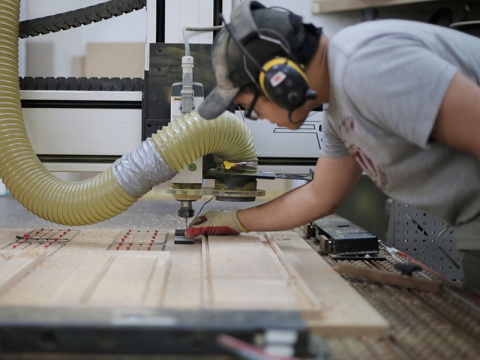
CNC рутери, подходящи за алуминийПортални рутери с твърди рамки, подходящи шпиндели и смазване с мъгла режат добре алуминиеви заготовки, използвайки подхода с малки режещи инструменти с високи обороти. Ръководство за решения за CNC рутер за алуминий обхваща изискванията за настройка и алуминиев CNC рутер с дискова ATC система представлява производствения край, където смяната на инструментите и по-големите обеми са от значение. Фрезите са отлични за работа с плочи: плоски заготовки, панели и 2.5D скоби.
Пълни CNC фрезови машиниЗа по-дълбоки разрези, по-твърди условия, производствени обеми и части, изискващи множество настройки, Каталог на CNC фрезови машини обхваща автоматични металообработващи машини до платформи за леене под налягане. Повишаването на твърдостта осигурява директно по-бързо отстраняване на материал и по-добри толеранси при работа със заготовки. По-широкият каталог на метални CNC машини обхваща съседни опции за магазини, смесващи алуминий със стомана, месинг и мед.
Речник: Термини за алуминиеви заготовки
Използвайте тази справка, когато купувате акции, четете теми във форуми или сравнявате обяви за материали.
| термин | дефиниция |
|---|---|
| палка | Плътен блок или прът от кован алуминий, изрязан от екструдиран или валцован материал, готов за машинна обработка. |
| кован | Алуминий, който е бил механично обработен (екструдиран, валцуван) след леене, като е усъвършенствана зърнестата му структура. |
| блок | Големият лят блок от алуминий, от който започват кованите продукти. |
| нрав | Обозначение на степента на термична обработка (T6, T651, O), което определя крайната якост и твърдост на сплавта. |
| T651 | T6 отпускане плюс контролирано разтягане за облекчаване на напрежението; поддържа дебелата плоча равна по време на обработка. |
| Изграден ръб (BUE) | Алуминият се заварява към режещия ръб от топлина и триене; основната причина за лошо покритие. |
| Зареждане на чип (IPT) | Инчове материал, който всеки режещ зъб отстранява на оборот; подаването и скоростта на сърцевината са променливи. |
| устойчивото управление на горите | Повърхностни футове в минута; скоростта на режещия ръб по материала. |
| Лепкавост | Склонност на мекия алуминий (особено 6061 и отгрятия материал) да се размазва, вместо да се реже чисто при срязване. |
| шупливост | Вътрешни кухини от задържан газ в лят алуминий; липсват в правилно деформирана заготовка. |
Често задавани въпроси
По-здрав ли е алуминиевите заготовки от лятите алуминии?
Обикновено да, за едно и също семейство сплави. Процесът на коване, който произвежда заготовки от заготовки, компресира порьозността и кухините, които отливката може да остави, придавайки на заготовките по-постоянна здравина. Кованият алуминий превъзхожда и двата вида по отношение на якост на умора, защото коването подравнява потока на зърната с формата на детайла. Честното предупреждение: добре проектираната отливана част може да превъзхожда лошо проектирана заготовка, така че заготовката е гаранция за постоянство, а не автоматична победа в здравината.
7075 по-труден ли е за обработка от 6061?
Едва ли, според машиностроителите, които режат и двете ежедневно. Членовете на форума „Практични машиностроители“ съобщават, че използват идентични програми и инструменти и за двете сплави, като разликите са, че 7075 износва карбидните ръбове малко по-бързо, чупи стружки по-лесно и оставя по-ярка повърхностна обработка. Настоящите индустриални таблици за рязане показват, че скоростите на повърхността на 7075 са с 10 до 20 процента под тези на 6061 (600 до 900 SFM спрямо 800 до 1,000 SFM груба обработка с карбид) с подобни количества стружки. Нито една от сплавите не би трябвало да плаши любителите.
Защо 7075 е толкова по-скъп от 6061?
Легиране на цинкова основа, по-строг контрол на производството и търсене в аерокосмическата индустрия. Ценообразуването в реалния свят от темите за покупки на Practical Machinist ясно показва разликата: сравними пръти, оферирани на около 38 щатски долара за 6061-T6 спрямо 101 щатски долара за 7075-T6, близо до често цитираната премия 2x+. Допълнителната цена купува приблизително двойно якостта на опън (около 572 MPa спрямо 310 MPa), което се отплаща само при наистина носещи приложения.
Може ли CNC рутер наистина да реже алуминиеви заготовки?
Да, с правилния подход. Фрезите с твърда рамка и подходящи шпиндели рутинно режат алуминиеви заготовки, използвайки малки еднорежещи или двурежещи карбидни фрези (1/8 да се 1/4 инчови) работят на високи обороти с агресивно подаване за поддържане на натоварването от стружки, плюс смазване с мъгла за предотвратяване на натрупване на ръб. Това, което рутерите не могат да направят добре, е дълбока, тежка груба обработка с големи резци, където твърдите CNC фрези поемат ролята. Плоските скоби, панелите и 2.5D заготовките са твърдо територия на рутерите.
Какво означава T6 в 6061-T6?
T6 е обозначението за състояние: обработено с разтворителна термична обработка и изкуствено състарено до пълна якост. Това е стандартното състояние както за заготовките от 6061, така и за 7075. T651 добавя контролирано разтягане, което облекчава вътрешното напрежение и поддържа дебелата плоча равна при машинна обработка на дълбоки джобове. Отгрятият (O състояние) материал е мек, лепкав при машинна обработка и слаб, така че го избягвайте за машинно обработвани части.
С какви подавания и скорости трябва да започне начинаещ при обработката на алуминиеви заготовки?
С карбидни инструменти от 6061-T6: скорост на повърхността от приблизително 800 до 1,000 SFM, натоварване от стружка от 0.002 до 0.004 инча на зъб 1/4 инчова фреза, 2 или 3 режещи ребра, без покритие или с ZrN покритие, и охлаждаща течност с мъгла или поток. На хоби машина, ограничена до около 4,200 об/мин с 1/2 Инчов 3-режещ фрезер, документирана във форум практика, работи с 30 до 40 инча в минута при натоварване на стружката около 0.005. Започнете консервативно, слушайте рязането и увеличете подаването, преди да увеличите скоростта.
Долната линия
Алуминиевите заготовки са просто ковани, обработени на части, а репутацията им идва от консистенцията на тази кована структура: липса на порьозност на отливката, предвидима якост и чисто поведение при обработка. За повечето работи, 6061-T6 е правилният отговор, докато 7075-T6 е запазен за части, които наистина се нуждаят от двойна якост на двойна цена. И двете сплави се обработват достатъчно лесно, така че са правилните първи метали за всеки любител, който отива отвъд дървото и пластмасата.
Машината е по-важна от метала. Твърдата хоби CNC фреза или правилно конфигуриран CNC рутер с алуминиев капацитет отваря възможност за работа с заготовки във всяка работилница и пълен каталог на CNC фрезови машини покрива стъпката нагоре, когато размерът, дълбочината или обемът на детайлите надхвърлят началния клас. Свържете се с STYLECNC екип, който да съчетае машина с частите от заготовки, които искате да произведете.